Key Takeaways
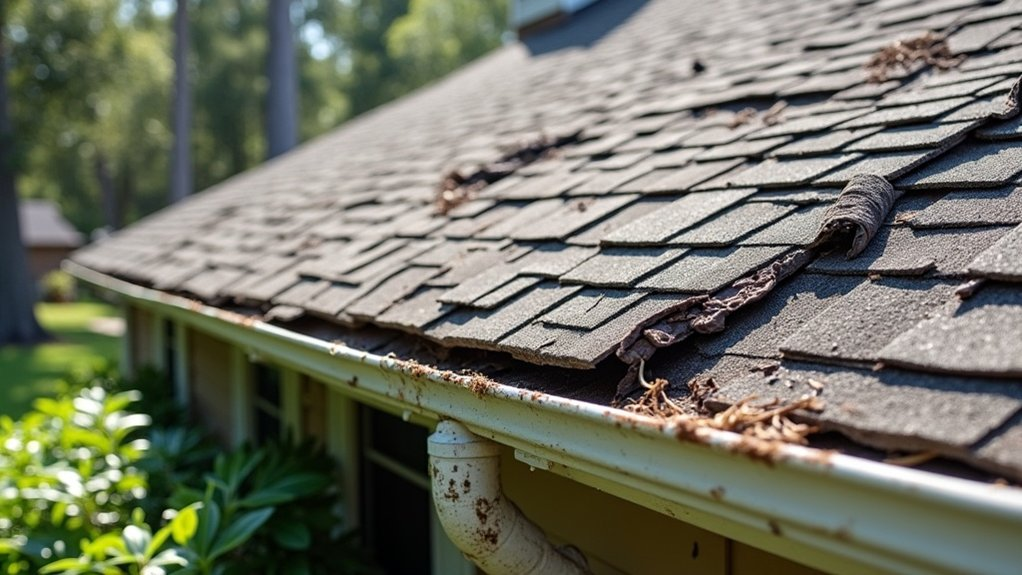
- Shingles that are cracked, curled, missing, or growing moss indicate your roof can no longer reliably protect your Jacksonville home from the elements.
- Interior warning signs like water stains, peeling paint, or mold in ceilings and attic point to recurring leaks and hidden roof damage.
- A roof older than 20–25 years, especially asphalt shingles in Florida’s harsh sun and humidity, is often near the end of its serviceable life.
- Frequent granules in gutters, soft spots, or visible sagging sections suggest serious wear to the roof system and possible structural issues.
- After major storms, lifted shingle edges, missing sections, or repeated leak repairs signal it’s more cost-effective to replace the roof than keep patching.
Overview of 7 Signs Your Jacksonville Home Needs a Roof Replacement
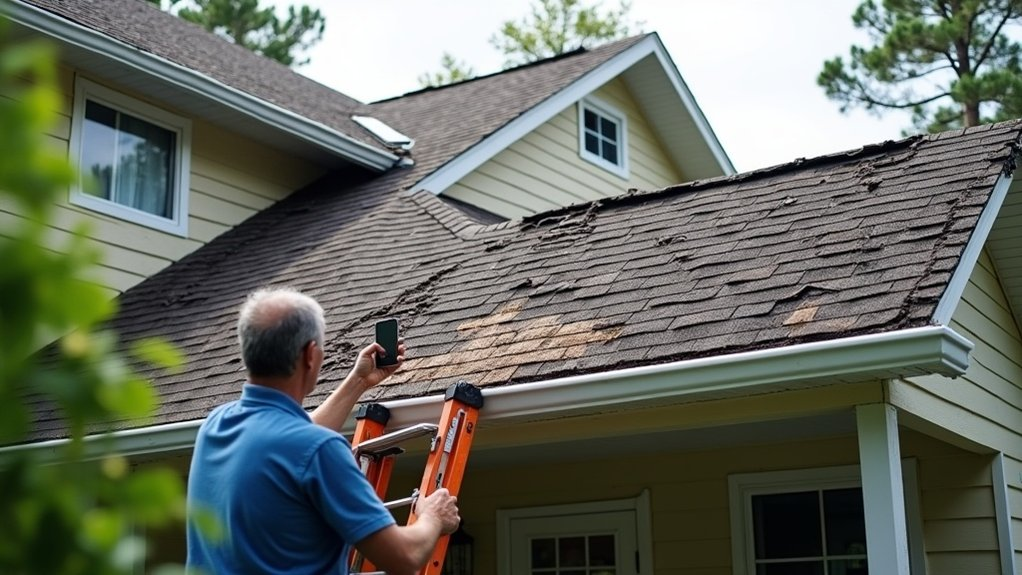
Seven key warning signs can tell you when your Jacksonville home may need a full roof replacement instead of another small repair.
You’ll first look at roof age indicators, like how many years the shingles have been in place and whether they’re near the typical lifespan for your roofing material.
Next, you’ll watch for missing, cracked, or curling shingles, especially in several areas.
You’ll also check for granule loss in gutters, soft or spongy spots when walked by a professional, and sagging sections that suggest structural concerns.
Inside, you’ll note recurring leaks or ceiling stains in more than one room.
Finally, you’ll pay attention to rising repair frequency, which often shows your roof system is wearing out as a whole.
How Florida’s Climate Affects Roof Lifespan and Performance
Because your roof is exposed every day, Florida’s climate has a direct impact on how long it lasts and how well it protects your home. In Jacksonville and across Northeast Florida, strong sun, heavy rain, high humidity, and coastal winds all speed up wear. You’ll often see florida roofing deterioration signs years earlier than in cooler, drier regions.
UV rays dry out shingles, making them brittle and more likely to crack or lose granules. Wind‑driven rain can work under loose shingles and around aging sealants, leading to leaks and hidden wood damage.
| Climate Factor | What You’ll Notice on the Roof |
|---|---|
| Strong sun/UV | Fading, curling, brittle shingles |
| Heavy rain | Stains, soft spots, recurring leaks |
| Coastal wind/gusts | Missing shingles, lifted edges, debris |
Key Components of a Full Roofing System

A complete roofing system is more than just the shingles you see from the street. When you’re thinking about when to replace roof Jacksonville homes, it helps to understand every layer that protects your family and belongings.
The key components of a full roofing system start with a solid roof deck, usually plywood. On top of that goes underlayment, which is a water‑resistant barrier.
A durable roofing system begins with a sturdy plywood deck, topped by a protective, water‑resistant underlayment layer
In Northeast Florida, a self‑adhered waterproof membrane in valleys and around penetrations adds important leak protection. Shingles or other roof coverings provide the main weather shield.
Flashing seals joints around walls, chimneys, and vents. Proper ventilation and attic insulation help control heat and moisture.
Finally, drip edge and gutters guide water safely away from your home.
Signs Your Current Roof May Be Nearing the End of Its Life
Many roofs start to show early warning signs long before they fail, and learning to spot them can help you plan a replacement on your terms instead of after an emergency. In Jacksonville’s sun, rain, and coastal winds, shingles age faster, so it helps to check your roof at least twice a year.
Look for roof replacement signs like curling or missing shingles, dark streaks, and granules collecting in gutters. Inside, watch for new stains on ceilings, musty smells, or daylight in the attic. These often show your full roofing system is weakening.
| Area to Check | What You May See | Why It Matters |
|---|---|---|
| Shingles | Curling, cracking, missing | Exposes layers below to water |
| Gutters | Asphalt granules | Surface of shingles wearing away |
| Attic | Light, stains, damp wood | Possible leaks or ventilation issues |
| Ceilings | Brown spots, peeling paint | Active or past water intrusion |
| Roof Line | Sagging sections | Structural stress or long-term moisture |
What to Expect from a Professional Roof Replacement
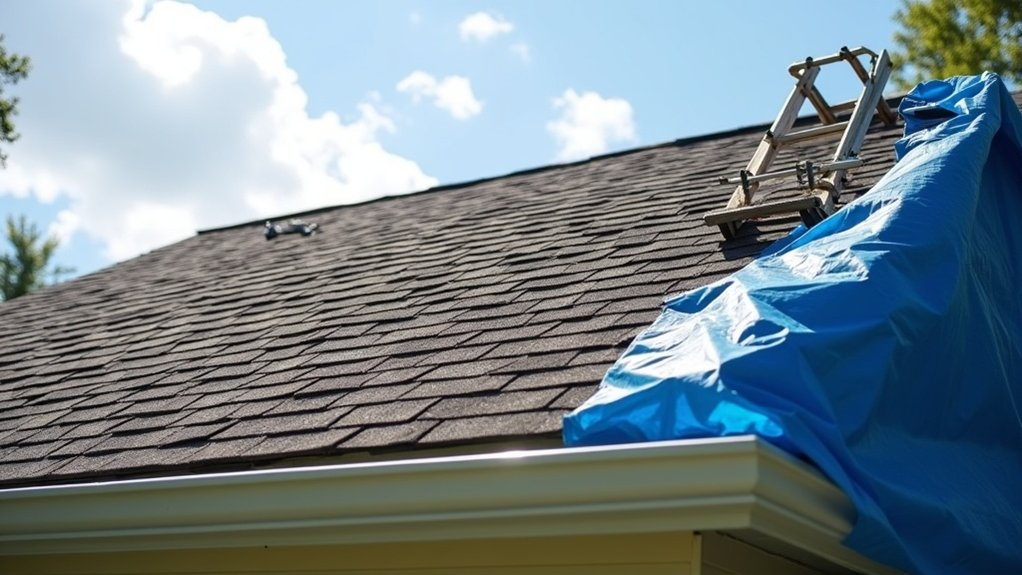
The roof replacement process should feel organized and predictable, not confusing or rushed. A professional contractor will walk you through each step so you know what’s happening on your Jacksonville home and why.
You should see a clear roof replacement checklist that covers safety, protection of your property, and daily cleanup.
You can generally expect:
- A detailed inspection and written proposal that explains scope, schedule, and pricing
- Help choosing a full roofing system that suits Northeast Florida wind and rain conditions
- Careful setup, including tarps, material staging, and protection for landscaping and interiors
- Systematic tear-off, wood deck inspection, installation, and final walk-through, with photos
Throughout the project, your roofer should communicate changes, answer questions, and keep the site safe and orderly.
How Quality Materials and Craftsmanship Impact Longevity
Once you understand the roof replacement process, it helps to look closely at what actually goes on your home and how it’s installed.
Once you know the roof replacement steps, it’s time to focus on materials, installation, and long-term performance
In Jacksonville’s heat, storms, and humidity, shingle quality, underlayment type, and proper ventilation all play a direct role in how long your new roof lasts.
Your roof replacement checklist should include specific materials: high‑quality shingles rated for high winds, waterproof underlayment in valleys and around penetrations, corrosion‑resistant nails, and properly sized vents.
Each piece works as part of a full roofing system, not just a shingle layer.
Craftsmanship matters just as much as products.
Straight, well‑nailed courses, tight flashing around pipes and walls, and careful sealing at edges all reduce leaks, wind damage, and premature aging.
Cost, Value, and Long-Term Protection Considerations
Although a roof replacement can feel like a big expense, it’s more helpful to look at it as a long‑term protection plan for your home.
In Jacksonville’s heat, storms, and humidity, a worn roof can lead to hidden damage that costs much more than the project you may be putting off.
When you weigh cost and value, it helps to look beyond the initial price and consider how the roof will protect your home over time:
- Reduce emergency repairs from roof leaks Jacksonville storms often cause
- Protect drywall, flooring, and wiring from recurring water damage
- Stabilize energy use by improving attic ventilation and insulation performance
- Support home value and make future sale inspections smoother
How to Choose a Trusted Jacksonville Roofing Contractor
Choosing the right Jacksonville roofing contractor can feel like a big decision, especially when you’re trusting someone with your home’s first line of defense. When you’re learning how to choose a trusted jacksonville roofing contractor, start with the basics: a Florida license, local insurance, and written references from Northeast Florida projects.
Use a simple florida roof replacement checklist: certification, detailed inspection, clear scope of work, and safety plan. Ask how they handle roof decking, ventilation, and flashing, not just shingles.
| What You Want to Feel | What to Ask For | Why It Matters |
|---|---|---|
| Safe | Proof of license and insurance | Protects you if something goes wrong |
| Respected | Written, detailed estimate | Prevents surprises later |
| Informed | Photos from inspection | Shows actual roof conditions |
| Supported | Warranty in writing | Covers materials and workmanship |
Frequently Asked Questions
Can I Repair Sections Instead of Replacing the Whole Roof in Jacksonville?
You can repair sections instead of replacing the whole roof, but you need to confirm the damage is truly limited.
In Jacksonville’s heat, storms, and humidity, spot repairs work best for small areas with sound decking and no widespread granule loss, curling, or leaks.
Ask a roofer to inspect the attic, check ventilation, and match shingles.
If problems are widespread or recurrent, a full system replacement protects homeowners better.
How Do I Prepare My Home and Yard Before Roof Replacement Starts?
You prepare by protecting what you serve. Move patio furniture, grills, and potted plants away from the house, and cover shrubs with tarps so falling debris doesn’t damage them.
Clear your driveway for the dumpster and crew vehicles.
Inside, take down ceiling decor and cover items in the attic, since vibrations and dust are common.
Secure pets, plan extra parking for helpers, and walk the property with your roofer beforehand.
Will My Homeowner’s Insurance Help Pay for a Roof Replacement?
Your homeowner’s insurance may help, but it depends on the cause of damage and your policy.
In Jacksonville, insurers often cover roof damage from wind, hail, or falling trees, but not normal wear or poor maintenance.
You’ll want to review your declarations page, take clear photos, and report damage quickly.
Ask your roofer for a detailed inspection report, then confirm coverage, exclusions, and your deductible with your insurance adjuster.
How Noisy and Disruptive Is a Typical Roof Replacement Project?
You’ll hear steady hammering, scraping, and footsteps on the roof during work hours, so it’s noisy and somewhat disruptive, but it’s temporary and manageable.
In Jacksonville, most full replacements take one to two days. Crews usually start mid‑morning, protect landscaping, and keep driveways clear when possible.
You can stay home, but phone calls, naps, or remote work may be harder, so plan quiet tasks or time away if needed.
What Roof Maintenance Should I Do After Replacement to Maximize Lifespan in Florida?
You protect your new roof by scheduling yearly professional inspections, especially before and after hurricane season.
You clear leaves and branches from the roof and gutters so water drains freely.
You trim overhanging limbs to reduce impact damage and debris buildup.
You avoid walking on the roof, and you call a pro if you spot lifted shingles, rusted flashing, or stains inside.
You keep documentation for warranty and insurance needs.