Key Takeaways
- In Florida, asphalt shingle roofs typically last about 15–20 years, depending on material quality, installation, and maintenance.
- Tile and metal roofs can often last 25 years or more when properly installed and regularly inspected.
- Florida’s intense sun, heat, humidity, and storm winds significantly shorten roof life compared to cooler, milder climates.
- Regular inspections help catch small issues early, preventing leaks and structural damage that can drastically reduce roof lifespan.
- Actual roof longevity depends on attic ventilation, underlayment quality, and how well the entire roofing system handles moisture and heat.
Overview of How Long Does a Roof Really Last in Florida?
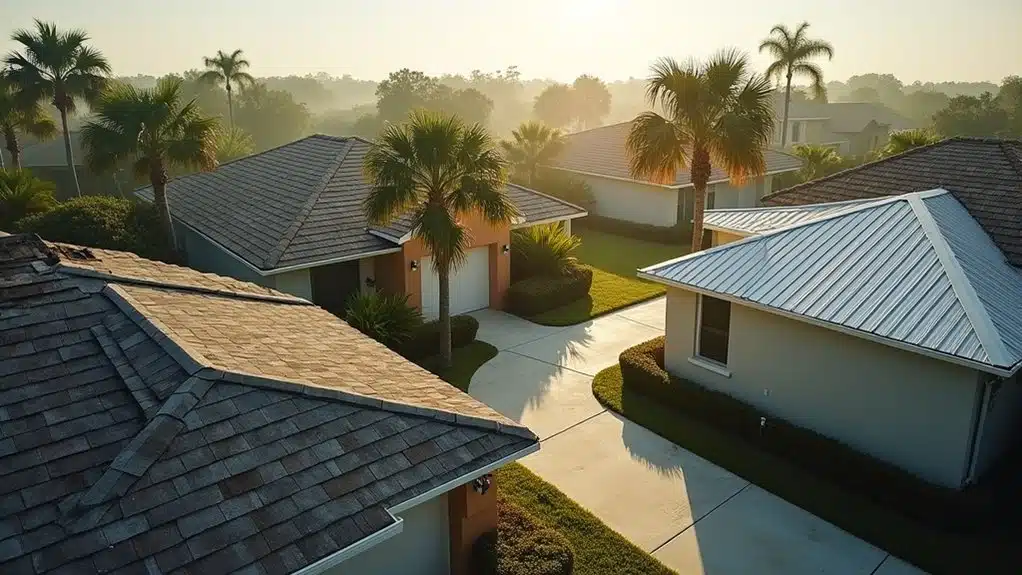
Even though every roof is different, in Florida you can expect most roofs to last a shorter time than in many other parts of the country.
When you’re trying to understand how long roofs last in Florida, it helps to start with realistic ranges, then narrow them down for your specific home.
If you care for others, you probably want reliable guidance before you advise a neighbor, family member, or client.
In Jacksonville and across Northeast Florida, many shingle roofs often need replacement around 15–20 years, while tile and metal systems may reach 25 years or more when properly installed and maintained.
Your actual roof life depends on material quality, installation craftsmanship, ventilation, and consistent inspections that catch small issues early.
How Florida’s Climate Affects Roof Lifespan and Performance
Those general timelines only make sense when you understand what Florida’s weather does to a roof day after day.
In Jacksonville and across Northeast Florida, the main florida roofing climate factors are sun, heat, moisture, and wind. Strong UV rays dry out shingles, fade color, and make sealants brittle. High heat makes roofing materials expand, then contract at night, which slowly weakens fasteners and joints.
Moisture also plays a large role. Heavy rain, high humidity, and salt in coastal air can corrode metal and shorten the life of nails, flashing, and vents.
Wind from summer storms and tropical systems can lift shingles or tiles, letting water in. When you plan for these conditions, you protect your home and those you serve.
Key Components of a Full Roofing System
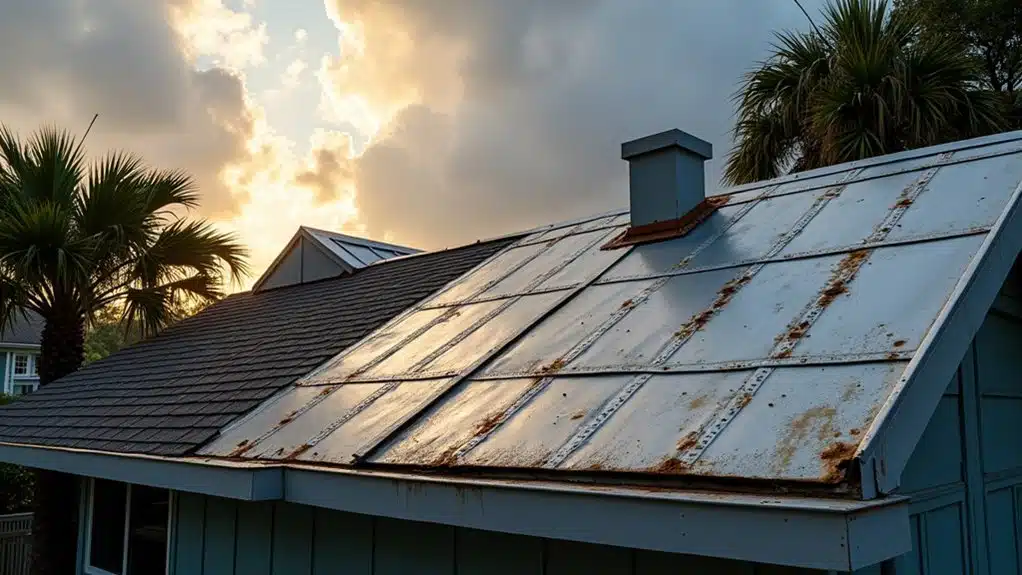
A durable roof in Florida is more than just shingles or tiles nailed to wood; it’s a full system where each part supports the others.
When you understand the key components of a full roofing system, you can better protect your home and anyone who depends on it.
Your roof deck is the wood base. On top of that, underlayment acts as a water‑resistant barrier, which is critical in Jacksonville’s heavy storms.
Starter strips and field shingles or tiles create the main surface, while ridge caps seal the top.
Flashing guards valleys, chimneys, and walls. Proper attic ventilation and insulation help control heat and moisture, which strongly affects Florida roof lifespan.
Finally, quality fasteners and sealants hold everything together under wind and rain.
Signs Your Current Roof May Be Nearing the End of Its Life
Understanding how the full roofing system works makes it easier to spot when that system is starting to fail. In Jacksonville and across Northeast Florida, heat, humidity, and storms speed up roof deterioration indicators, so regular visual checks matter.
You might see shingles curling, cracking, or missing, or notice bald spots where granules have washed into your gutters. Inside, water stains on ceilings, peeling paint, or a musty smell in the attic point to leaks.
Step back from the street and look for sagging areas, uneven lines, or soft spots you can feel when walking the roof (only if it’s safe).
Also watch rising energy bills, which can signal failing ventilation or insulation tied to roof wear. When these signs appear, it’s time to plan next steps.
What to Expect from a Professional Roof Replacement
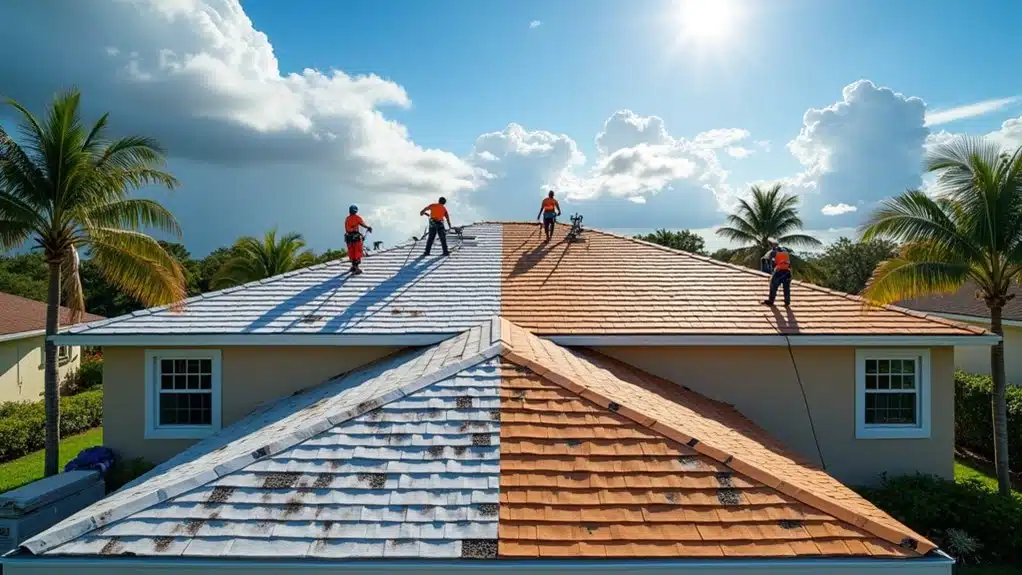
Most professional roof replacements in Jacksonville and Northeast Florida follow a clear, step‑by‑step process so you know what’s happening to your home and why.
It usually starts with a detailed inspection and written proposal that explains scope, price, and roof replacement timeline. You should see proof of license, insurance, and permits before work begins.
On installation day, the crew protects landscaping, removes old shingles, and checks the wood decking for rot or soft spots.
They replace damaged wood, install underlayment and flashing, then lay new shingles in organized sections. Vents and plumbing boots are sealed to prevent leaks.
Afterward, they clean up nails and debris, perform a final walk‑through with you, and review warranties and basic maintenance steps.
How Quality Materials and Craftsmanship Impact Longevity
Your roof replacement process matters, but the materials and workmanship behind it matter just as much for how long your roof will actually last in Florida’s heat, storms, and humidity. In Jacksonville and across Northeast Florida, quality shingles, underlayment, and metal flashing help your roof handle strong sun, wind-driven rain, and daily humidity swings.
Skilled installers also protect jacksonville roof lifespan by following manufacturer instructions and local codes, fastening shingles correctly, and sealing every penetration.
| Key Factor | What It Means | Why It Matters in FL |
|---|---|---|
| Shingle grade | Thicker, wind-rated products | Better resistance to uplift and cracking |
| Underlayment type | Synthetic, water-shedding layer | Extra barrier against wind-driven rain |
| Craftsmanship | Careful cuts, seals, and flashing work | Fewer leaks and longer, more reliable service |
Cost, Value, and Long-Term Protection Considerations
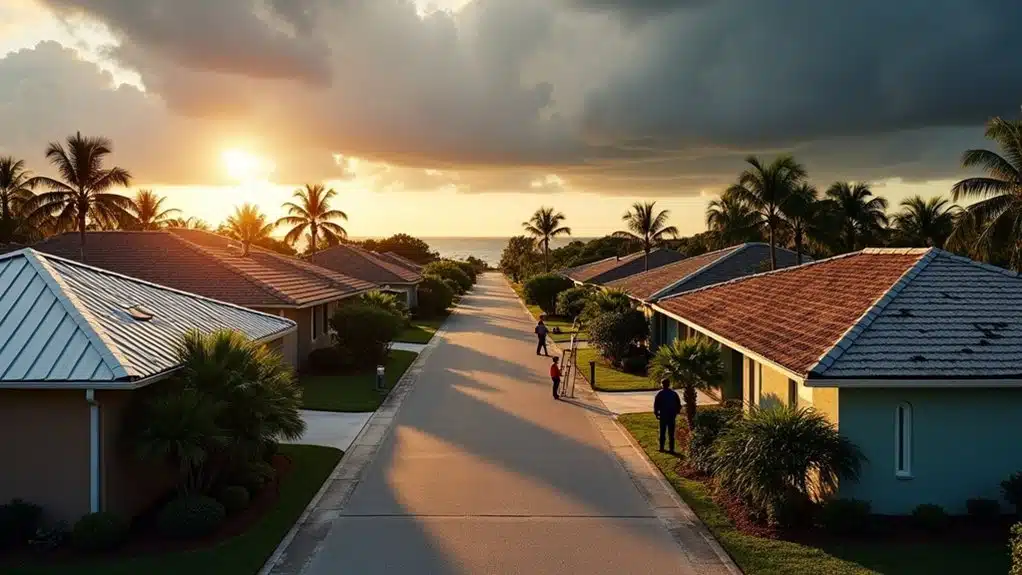
Even though a new roof can feel like a big expense, it’s more accurate to see it as a long-term protection plan for your home and wallet.
In Jacksonville and across Northeast Florida, you’re not just paying for shingles. You’re investing in the full system that shields your family, serves your neighbors during storms, and protects what you’ve built.
When you compare prices, look at roof system lifespan factors: material type, ventilation, underlayment quality, and how well the roof handles heat, wind, and heavy rain.
A cheaper roof that needs replacement 10 years sooner often costs more over time. A well-built system may reduce repairs, lower insurance concerns, and limit interior damage, giving steady value year after year.
How to Choose a Trusted Jacksonville Roofing Contractor
Choosing the right roofing contractor in Jacksonville starts with checking who they’re on paper and how they operate in the field. Confirm your Jacksonville roofing contractor holds an active Florida license, proper local business registration, and current general liability and workers’ comp insurance. Ask for proof in writing.
Next, look at experience with Northeast Florida roofs, including wind, salt air, and heavy rain. Ask for recent local addresses you can drive by, and photos that show full roofing systems, not just shingles.
Request a detailed written estimate that lists materials, underlayment, ventilation, flashing, and cleanup. Ask who’ll be on site supervising the crew each day.
Finally, check online reviews for patterns, not perfection, and ask how they handle warranty claims.
Frequently Asked Questions
How Do Homeowner’s Insurance and Roof Age Interact in Florida Claims and Coverage?
Your homeowner’s insurance often gives less roof coverage as the roof ages, especially past 10–15 years in Florida.
Insurers may pay actual cash value only, not full replacement, for older roofs. Some policies limit wind or hail coverage after a certain age.
You protect yourself by knowing your roof’s install year, keeping photos, saving repair invoices, and asking your agent to explain your specific roof age rules in writing.
Can Adding Solar Panels Affect the Lifespan of My Florida Roof?
Yes, solar panels can affect your roof’s lifespan, positively or negatively, depending on how they’re designed and installed.
In Jacksonville and Northeast Florida, properly mounted panels can shield shingles from sun and rain, helping them last longer.
Problems arise when installers skip flashing, over-tighten fasteners, or ignore wind uplift.
Protect yourself by confirming roof age, using a licensed roofer–installer team, and getting a detailed mounting and waterproofing plan in writing.
How Often Should Roof Maintenance Be Documented for Warranty and Insurance Purposes?
You’ll want to document roof maintenance at least once a year, plus after any major Jacksonville or Northeast Florida storm.
Keep dated photos, contractor invoices, inspection reports, and notes on any repairs or sealant work. Store records digitally and on paper, and share them with your roofing contractor when needed.
This consistent documentation helps protect your manufacturer’s warranty and supports insurance claims if wind, hail, or debris ever damage your roof.
Are There Roof Options That Reduce Attic Heat and Cooling Bills in Florida Homes?
Yes. You can lower attic heat and cooling bills by choosing “cool roof” options.
In Jacksonville and Northeast Florida, you’ll want light‑colored shingles, metal roofing with reflective coatings, or Energy Star–rated shingles that reflect more sunlight.
Combine this with proper attic insulation (often R‑30 or higher) and ridge and soffit vents.
Together, these steps reduce heat buildup, ease strain on your AC, and create a more comfortable home.
What Roof Upgrades Can Improve Hurricane Resistance Beyond Standard Building Code Requirements?
You can improve hurricane resistance by adding upgrades beyond code.
Consider a secondary water barrier under the shingles, hurricane‑rated shingles or metal panels, and closely spaced ring‑shank nails.
Ask for sealed roof deck tape, enhanced hip and ridge fastening, and upgraded drip edge.
In Jacksonville and Northeast Florida, you can also install impact‑rated attic vents and stronger roof‑to‑wall connections to better protect the families you serve.