When you plan a roof replacement in Jacksonville, the “true cost” is more than just shingles and labor. You’re also paying for materials that can handle heat, humidity, and storms, plus details like ventilation, flashing, decking repairs, and mold prevention. If you only look at the lowest bid, you may end up with higher repair costs later. To see what a complete, durable roof really involves, you’ll want to look closer at each part of the system.
Key Takeaways
- Roof replacement costs in Jacksonville vary widely with roof size, pitch, design complexity, and chosen materials (basic asphalt vs. upgraded or specialty systems).
- Local climate factors—intense UV, humidity, salt air, and heavy rains—shorten roof lifespans, increasing long-term costs if cheaper materials or poor installations are used.
- A true “all-in” price should include tear-off and disposal, decking repairs, underlayment, flashing, ventilation, permits, and code-required upgrades.
- Estimates should clearly separate material and labor costs, plus any attic protection, drywall repairs, and cleanup, to make contractor comparisons accurate.
- Choosing a licensed, insured roofer offering full roofing systems and strong workmanship warranties protects your investment and reduces unexpected future expenses.
Overview of The True Cost of Roof Replacement in Jacksonville
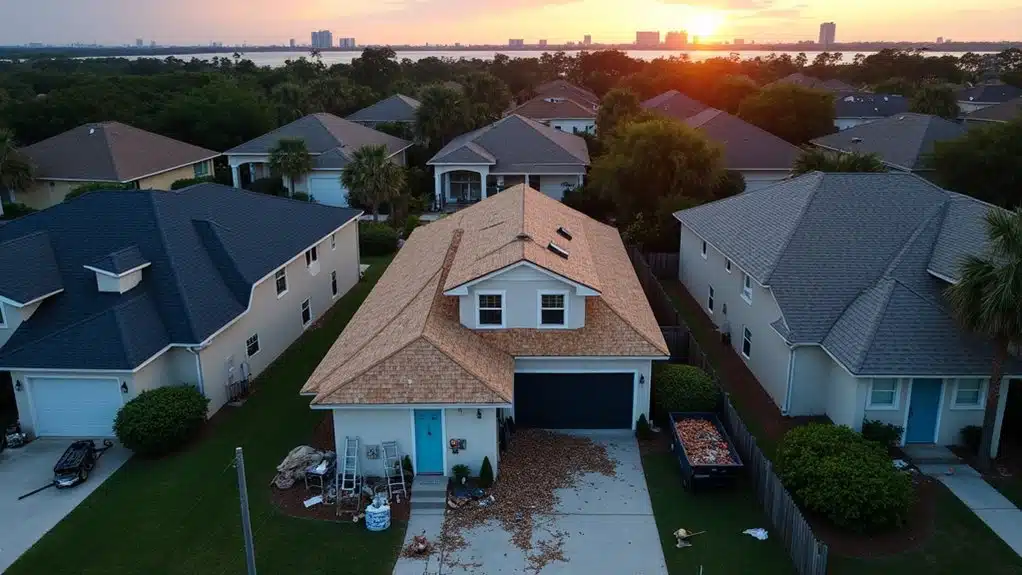
When you start looking into a roof replacement in Jacksonville, the first thing you’ll notice is that the “cost” is more than just a price per square foot.
You’re really investing in the long‑term safety and strength of your home, and that affects your family and anyone you serve there.
When you think about roof replacement cost Jacksonville, you’ll want to look at materials, labor, roof design, ventilation parts, and disposal of the old roof.
A simple, single‑story roof with basic shingles will cost less than a steep, complex roof with upgraded materials.
Permits, code upgrades, and protecting your attic and drywall also factor in.
Understanding each part of the price helps you compare estimates and choose what best serves your home.
How Florida’s Climate Affects Roof Lifespan and Performance
Because Jacksonville and the rest of Northeast Florida sit in a hot, humid, coastal climate, your roof has to work harder here than in many other parts of the country. Sun, salt, and storms slowly wear down shingles, sealants, and metal, which shortens roof lifespan and changes how your roof performs over time.
| Climate Factor | Impact on Roof | What It Means for You |
|---|---|---|
| Intense UV | Dries and cracks shingles | More frequent repairs |
| High humidity | Encourages mold and rot | Closer attic and deck inspections |
| Salt air | Corrodes metal components | Rust-resistant materials matter |
| Heavy rain | Stresses drainage and flashing | Clean gutters, strong waterproofing |
| High winds | Lifts shingles and flashing | Secure installation is critical |
These conditions help explain why the cost to replace roof florida homes is closely tied to material quality and installation.
Key Components of a Full Roofing System
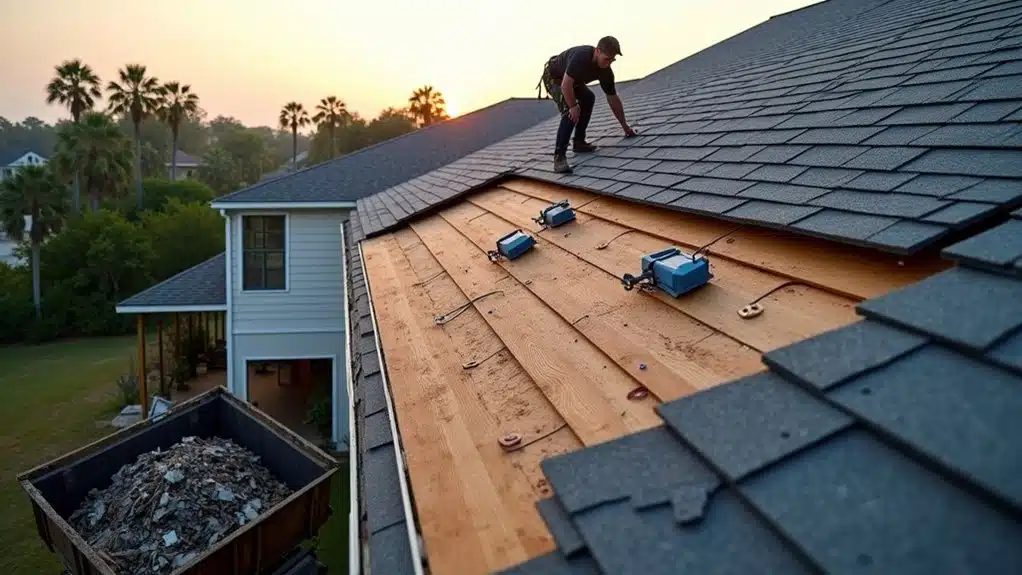
A durable roof in Jacksonville isn’t just shingles on wood; it’s a complete system where each layer has a job and protects the others.
You’ll typically have decking (the wood base), underlayment that sheds water, and a waterproof barrier in valleys and around penetrations. Shingles or other roofing material form the outer shell.
Strong flashing seals joints around walls, chimneys, and vents. Proper ventilation moves hot, moist air out of your attic, which helps prevent rot and keeps your home more comfortable.
Drip edge and gutters guide water safely away from your home.
When you review a roof estimate breakdown, you should see these components listed clearly. That transparency helps you judge quality, compare contractors, and protect the people who depend on your home.
Signs Your Current Roof May Be Nearing the End of Its Life
Strong roofing components only help you if your current roof is still doing its job, so it’s important to know the signs that it may be wearing out. In Jacksonville’s sun, wind, and salt air, shingles and sealants age faster, which can quietly raise your risk of leaks and interior damage.
Look for these warning signs:
| What you might see | Why it matters in Northeast Florida |
|---|---|
| Curling, cracked, or missing shingles | Exposes your roof deck to wind‑driven rain |
| Granules in gutters or at downspouts | Signals aging shingles that can’t shed water well |
| Interior stains or sagging drywall | Often points to slow, hidden roof or flashing leaks |
When you notice several of these issues together, it’s wise to plan ahead, compare roof materials cost Florida, and protect your home.
What to Expect from a Professional Roof Replacement
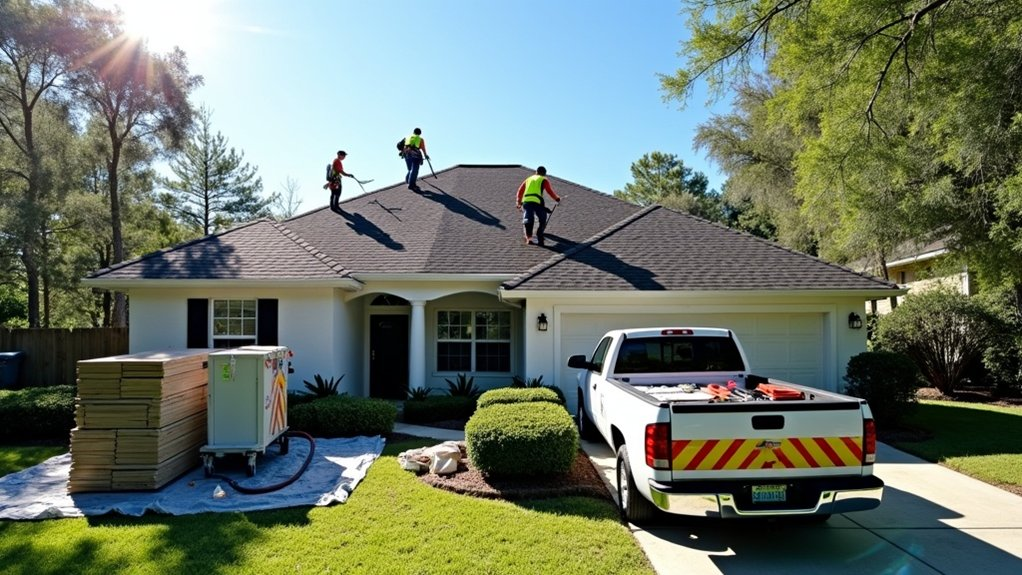
Once you decide to move forward with a new roof, a professional replacement should follow a clear, organized process so you always know what’s happening to your home.
First, your contractor will review the proposal, explain roof installation cost factors, and confirm materials, ventilation, and warranty details.
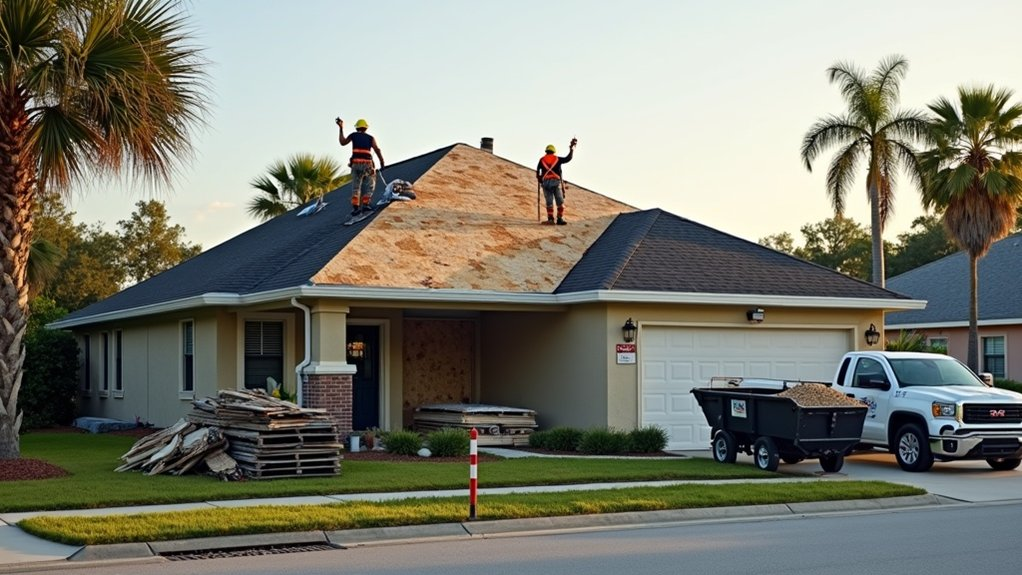
Next, they’ll protect your property with tarps and plywood, then remove old shingles down to the decking.
They’ll inspect the wood deck, replace any damaged sections, and install underlayment and flashing around valleys, chimneys, and walls.
Shingles are then installed in clean, straight lines, with proper nailing for Northeast Florida wind conditions.
Finally, they’ll clean up nails and debris, walk the property with you, review paperwork, and explain how to contact them if any issues arise.
How Quality Materials and Craftsmanship Impact Longevity
Even in a milder winter climate like Jacksonville’s, the quality of your roofing materials and the care taken to install them will decide how long your new roof truly lasts.
Strong sun, salt in the air, and heavy rains all wear down weak products and shortcuts in installation.
When you review roof system upgrade pricing, look closely at what’s included.
Thicker shingles, corrosion‑resistant nails, high‑temperature underlayment, and better attic ventilation each add years to a roof’s life.
Skilled installers seal valleys, flashings, and roof penetrations so water can’t find a path inside.
You serve your household well when you choose both solid materials and proven craftsmanship.
This combination reduces leaks, protects your structure, and helps your roof perform reliably through Northeast Florida weather.
Cost, Value, and Long-Term Protection Considerations
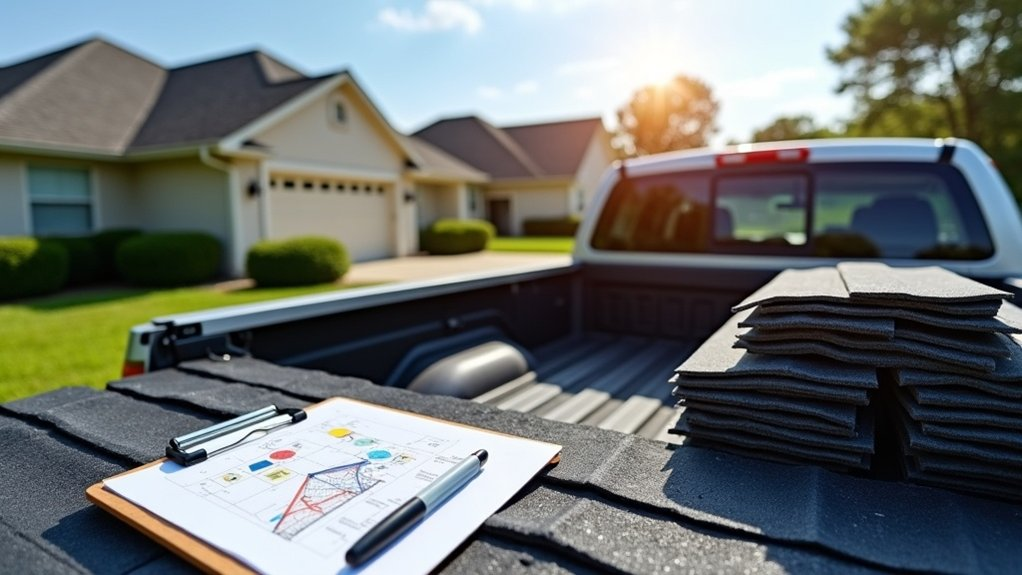
Although it’s natural to focus on the price tag of a roof replacement, it helps to look at cost, value, and long‑term protection together.
In Jacksonville’s climate, florida roof replacement pricing should reflect not just shingles, but a full roofing system: underlayment, flashing, ventilation, and secure fastening for high winds.
You serve your family and community best when you choose a roof that protects consistently, not just one that’s cheapest today.
A lower bid may skip key details, leading to leaks, wood rot, or repeated repairs after storms. A well‑built system can reduce maintenance, protect insulation, and support stable energy costs.
Ask how each option affects lifespan, storm performance, warranty coverage, and total cost over 20–30 years.
How to Choose a Trusted Jacksonville Roofing Contractor
In addition to choosing the right roofing system, you also need the right Jacksonville roofing contractor to install it.
Your contractor protects your roofing investment Jacksonville by using proper materials, following local codes, and preparing your home for Northeast Florida’s heat, storms, and humidity.
Look for a contractor who:
- Holds active Florida licensing, adequate liability and workers’ compensation insurance, and can show proof.
- Provides clear, written estimates that break down labor, materials, ventilation, and clean-up.
- Recommends a full roofing system, including underlayment, flashing, ventilation, and fasteners rated for high winds.
- Offers strong workmanship warranties and stays responsive after the job’s done.
Speak with past customers, ask to see recent local projects, and make sure you understand the scope before you sign anything.
Frequently Asked Questions
How Does Roof Replacement Affect My Homeowners Insurance Premiums or Eligibility in Florida?
Roof replacement can often lower your homeowners insurance premium in Florida, and it can also protect your eligibility.
Insurers favor newer roofs with strong wind and water protection. After replacement, you should send your carrier the roofing contract, final invoice, photos, and any wind mitigation report.
Ask your agent to re-rate your policy. In Jacksonville and Northeast Florida, a well-installed roof may reduce storm risk and make coverage easier to keep.
Can I Live in My Home During Roof Replacement, and What Disruptions Should I Expect?
You can usually stay in your home during roof replacement.
Expect loud hammering, footsteps, and nail guns from early morning, plus vibrations in ceilings and walls. Crews will cover landscaping and set up safety zones; you’ll need to keep kids and pets inside and away from debris.
Your driveway may be blocked by a dumpster or materials.
Plan for dust, brief power or satellite interruptions, and limited attic access.
Are There Tax Credits or Local Incentives for Energy-Efficient or Reflective Roofing in Jacksonville?
Yes, you may qualify for incentives, but they’re limited and can change.
In Jacksonville, you’ll mainly look at federal tax credits for Energy Star–rated “cool roof” materials, plus possible discounts from JEA or FPL for reducing energy use.
Ask your roofer for product energy ratings, then confirm with your tax professional.
Also check the City of Jacksonville and Duval County websites for any current local rebate programs.
How Should I Prepare My Yard, Pets, and Belongings Before the Roofing Crew Arrives?
You’ll want to clear cars from the driveway, move patio furniture, grills, and potted plants away from the house, and cover fragile landscaping with tarps if you can.
Bring pets indoors or to a safe, quiet location; let the crew know if animals are present.
Take pictures off walls, move items from the attic, and cover anything stored there, since hammering and falling debris can shake dust and small objects loose.
What Warranties Should I Receive in Writing for Both Materials and Workmanship?
You should receive two written warranties: a manufacturer (materials) warranty and a contractor (workmanship) warranty.
For materials, ask for coverage length, wind rating, algae protection, and what’s prorated over time.
For workmanship, insist on at least 5–10 years that clearly covers leaks caused by installation.
Make sure both documents list your address, install date, products used, and what’s excluded, especially for Jacksonville’s wind and storm conditions.